There is a kind of exercise that feels too easy to be doing anything. You can hold a conversation. You could keep going for an hour. Nothing burns. And it turns out to be the single most useful thing most people can do for how long they live and how well.
It is usually called zone 2, and the reason it matters is a number called VO2max.
The engine
VO2max is the most oxygen your body can use per minute, and it is the best single measure of aerobic fitness there is. It also happens to be one of the strongest predictors of how long you will live that anyone has found, stronger than smoking status, blood pressure or diabetes in several very large studies. Moving from the bottom fifth of fitness for your age into the next group up is associated with a bigger drop in mortality than almost any single thing medicine can offer.
It is also one of the inputs to your Wave Age, estimated from your resting heart rate, your activity and your workouts, or read directly from a watch that measures it.
Why slow work builds it
Hard intervals raise VO2max quickly, and there is a place for them. But the base underneath is built at low intensity, for a plain reason: at an easy pace your muscles run mostly on fat, using the mitochondria that are the actual site of that oxygen use. Spending time there makes more of them and makes each one better. Go harder and the body switches to a different fuel system, one that is worth training too, but that does not build the base.
Athletes have known this for decades. Most of their training, often around four fifths of it, is deliberately easy. The mistake almost everyone else makes is that every session is medium: too hard to build the base, too easy to sharpen the top.
Finding the pace
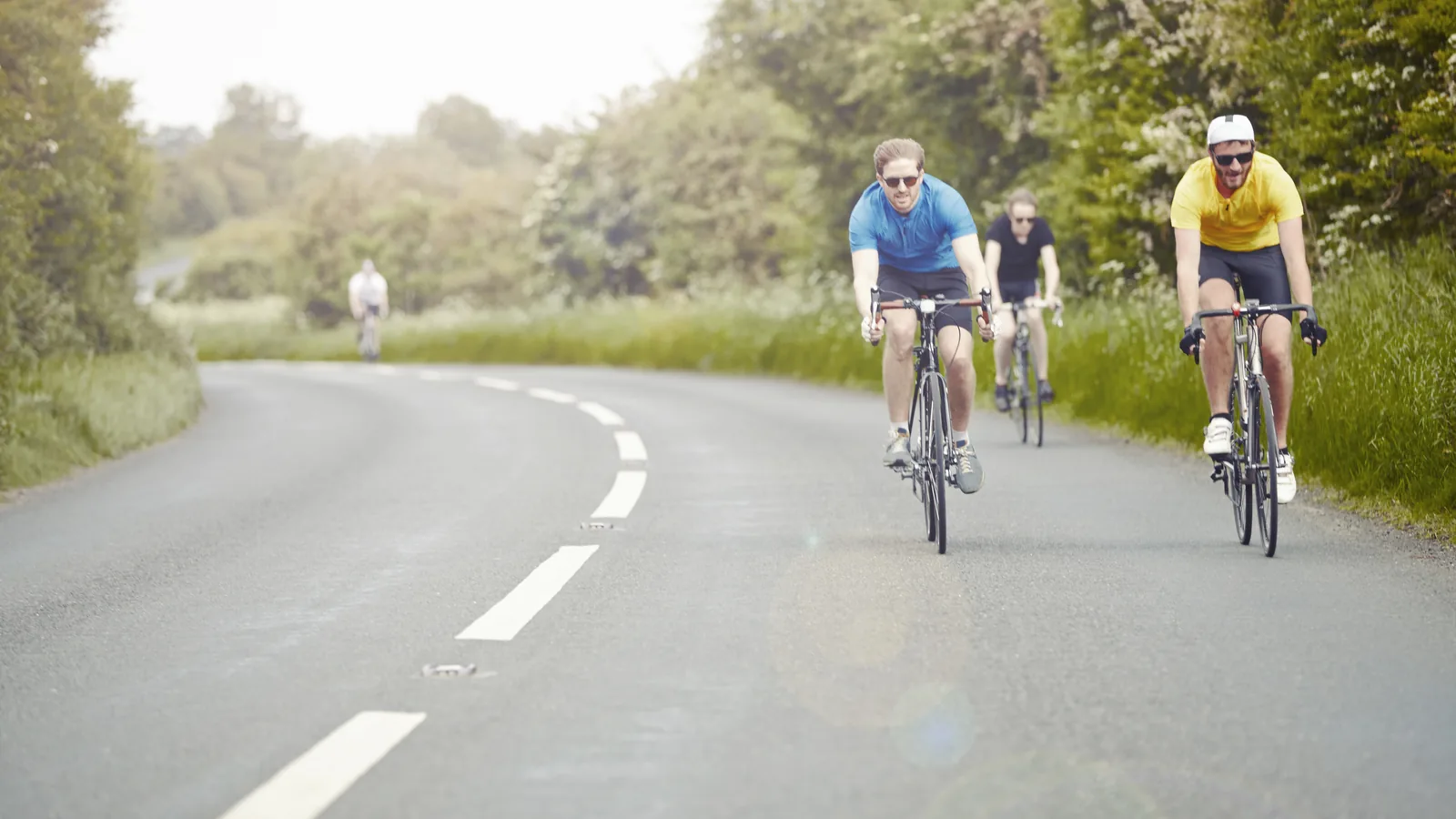
Zone 2 is the effort where you can talk in full sentences but would rather not sing. Breathing is deeper than at rest and completely under control. For most people that is a brisk walk on a hill, an easy jog, a steady ride, a swim you could hold all afternoon.
If you wear something that reads heart rate, the pace usually lands somewhere between 60 and 70 percent of your maximum. Wave marks the range on a workout once it has a few weeks of your data, and it reads the session from Apple Health or Health Connect, so you do not have to log it.
How much
The research keeps pointing at the same figure: around 150 minutes a week of this kind of work, with more being better up to a point that most people will never reach. Three 50-minute sessions. Five 30-minute walks. It adds up faster than it sounds, and it does not need equipment.
Two things make it stick. Put it on the calendar the way you would a meeting, and make it a thing you do with somebody, a dog, a podcast, or a route you like. Nobody keeps up an exercise they dread.
What you will see
Resting heart rate falls first, usually within a few weeks. Then the morning scan starts reading calmer, and the same walk feels easier at a lower heart rate, which is the fitness itself showing up. Over months the estimated VO2max climbs and, with it, your Wave Age comes down.
Wave is for general wellness. Anyone with a heart condition, or who has been told to be careful with exercise, should check with their doctor before changing how they train.